Dog Waste Health Risks: 6 Hidden Dangers to Know in 2026
Most owners think of dog waste as a smelly nuisance, but the real story is about dog waste health risks that quietly affect people, pets, and local water. In 2026, with more households owning dogs than ever, understanding these dangers is part of responsible ownership. This article breaks down six specific hazards and, crucially, the simple habits that neutralise every one of them.
None of this is meant to alarm you. It is meant to explain why that thirty-second pickup matters far more than aesthetics, and how to protect your family with almost no extra effort.
Understanding Dog Waste Health Risks at Home
The core of dog waste health risks is biological: feces can carry parasites, bacteria, and viruses that persist in soil long after the visible waste is gone. Children and gardeners are most exposed because they contact soil directly. Prompt, tool-based removal is the single most effective defence.
Below are the six dangers I walk every new dog owner through, ranked roughly by how commonly they cause real-world problems.
1. Roundworms and the Toxocara Threat
Roundworm eggs shed in feces can survive in soil for years and, if ingested, cause a condition called toxocariasis in humans. Young children who play in contaminated dirt are most at risk. The U.S. Centers for Disease Control and Prevention confirms these eggs become infectious only after waste sits, which is exactly why fast pickup breaks the cycle.
2. Hookworms Through the Skin
Hookworm larvae can penetrate bare skin, causing itchy, migrating tracks. Walking barefoot on a contaminated lawn is enough. Removing waste before larvae develop keeps the soil safe.
The Bacterial and Protozoan Dangers
Beyond worms, waste harbours microorganisms that cause gastrointestinal illness. These are the ones that spread fastest in shared spaces and after rain.
- Giardia: A protozoan causing diarrhoea, easily passed between dogs and to people.
- Salmonella: Bacteria that survive in feces and contaminate hands and surfaces.
- E. coli: Present in waste and a leading contaminant of storm-water runoff.
- Campylobacter: A common cause of stomach upset transmissible from dog waste.
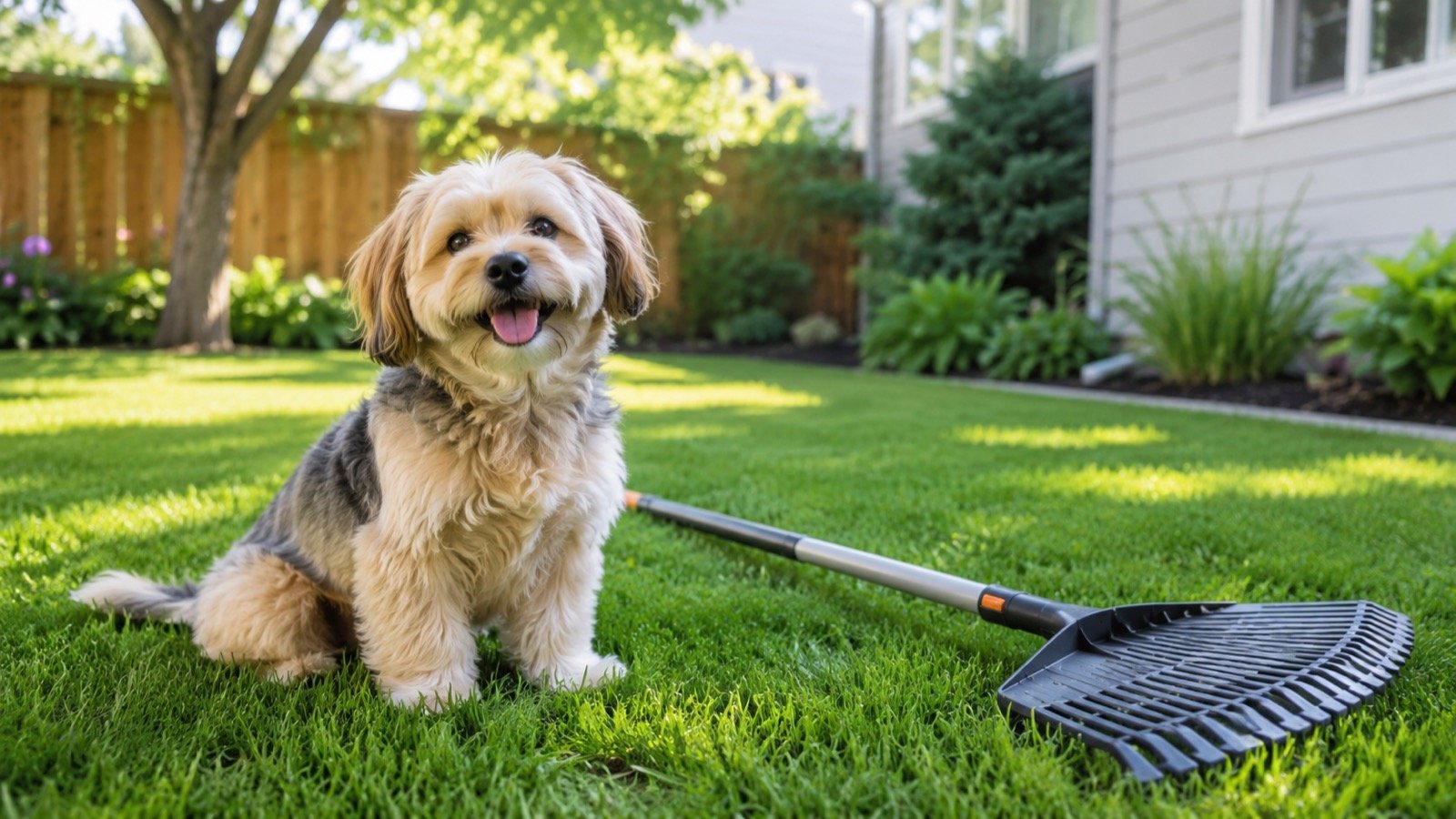
Handling waste with a proper tool keeps these organisms off your hands entirely. A dedicated Pooper scooper company tool means you never touch the source, and a good bag seals it away before it can spread.
How Rain Spreads the Risk
Uncollected waste does not stay put. Rain washes pathogens into gardens, playgrounds, and storm drains, widening the exposure zone far beyond the original spot. This is why “leaving it to break down” is a myth; it simply relocates the hazard.
Which Dangers Threaten Children Most?
Children face the highest exposure because they play at ground level, put hands in their mouths, and rarely wash up before snacks. Sandpits and lawns are prime contamination sites. For families, prompt cleanup is not optional; it is basic child safety.
The table below maps each hazard to who is most at risk and how long the danger lingers if waste is left in place.
| Hazard | Main Route | Most at Risk | Soil Persistence |
|---|---|---|---|
| Roundworm | Ingested soil | Young children | Years |
| Hookworm | Skin contact | Barefoot walkers | Weeks–months |
| Giardia | Contaminated water | Dogs & owners | Weeks (moist) |
| Salmonella | Hand-to-mouth | All ages | Days–weeks |
Six Habits That Neutralise the Risk
The good news: every danger above is defeated by the same short list of habits. Adopt these and the health risk drops close to zero.
- Pick up waste immediately, before eggs and larvae mature.
- Use a scoop so your hands never contact feces.
- Seal waste in a sturdy bag and bin it, never composting it in a food garden.
- Wash hands after every cleanup, even when you used a tool.
- Keep dogs dewormed on your vet’s schedule to reduce shedding.
- Keep children’s play areas and sandpits covered and waste-free.
Sealing matters as much as scooping. Puncture-resistant heavy duty garbage bags stop leaks that would otherwise recontaminate your bin, your hands, or the pavement on the way to disposal.
Deworming and Veterinary Guidance
Regular parasite control at the source dramatically lowers what your dog sheds. Ask your vet for a schedule suited to your dog’s age and lifestyle; puppies and dogs that scavenge need more frequent treatment.
Risks to Other Pets and Local Wildlife
The danger does not stop at humans. Uncollected waste is a major route for disease to spread between dogs, and it threatens cats, backyard chickens, and visiting wildlife too. A single infected deposit can seed a yard with parasites that reinfect your own dog for months.
Wildlife complicates things further. Foxes, rodents, and birds disturb uncollected waste, scattering pathogens across a wider area and even into vegetable beds. What looks like one small pile quietly becomes a distribution network for contamination if you leave it.
The Reinfection Loop
Here is the trap many owners miss: a dewormed dog that keeps sniffing and licking around old waste simply picks the parasites back up. You can medicate perfectly and still fail if the yard stays contaminated. Cleanup and treatment only work together, never in isolation.
Protecting Water Sources on Your Property
If you have a pond, rainwater butt, or vegetable patch, keep the toilet zone well away from all of them. Runoff carries bacteria downhill, so a little planning in where your dog goes prevents contamination of the things you least want tainted.
Frequently Asked Questions
Can I get sick from my own dog’s waste?
Yes, though the risk is low with good hygiene. Parasites and bacteria in feces can infect people, so use a scoop, wash your hands, and keep your dog dewormed to minimise any chance of illness.
How long do parasite eggs survive in the yard?
Roundworm eggs can persist in soil for years once waste is left to break down. Removing waste promptly, before eggs mature, is the most effective way to keep your yard safe.
Is dog waste safe to compost?
Not in a normal home compost bin used for food gardens. Temperatures rarely get high enough to kill pathogens, so bag and bin dog waste unless you run a dedicated, properly managed pet-waste digester.
Why is picking up waste after rain so important?
Rain washes pathogens from uncollected waste into wider soil, water, and storm drains, spreading the risk well beyond the original spot. Clearing waste before it rains keeps contamination contained.
The Takeaway
The dog waste health risks above are real but entirely manageable. Scoop promptly, seal securely, wash up, and keep your dog dewormed, and you shut down every route of infection with barely a minute’s effort a day. Protecting your family starts with that small, consistent habit. If a house move ever disrupts your cleanup rhythm, hand the heavy logistics to reputable service experts and keep your attention on the healthy, waste-free home your household deserves.