7 Solar Myths in Pakistan Debunked: What Buyers Get Wrong in 2026
Misinformation costs Pakistani homeowners real money. Around every tea table there is someone convinced that solar “does not work in summer” or “stops paying off after a few years.” These myths delay smart decisions and push families toward the wrong systems.
In this article we debunk seven of the most stubborn solar myths circulating in 2026. We back each correction with practical reasoning so you can approach your next quotation with clarity instead of secondhand fear.
Why Solar Myths Persist in Pakistan
Solar adoption exploded quickly, and rapid growth always breeds rumors. Add a few bad installations by untrained crews, and skepticism spreads fast. Yet the technology itself is mature, well-documented, and globally proven.
Independent bodies track solar’s performance worldwide. Data compiled by the International Renewable Energy Agency (IRENA) shows solar costs falling and reliability rising year after year. The problem in Pakistan is rarely the technology and usually the execution.
Myth 1: Solar Does Not Work in Hot Weather
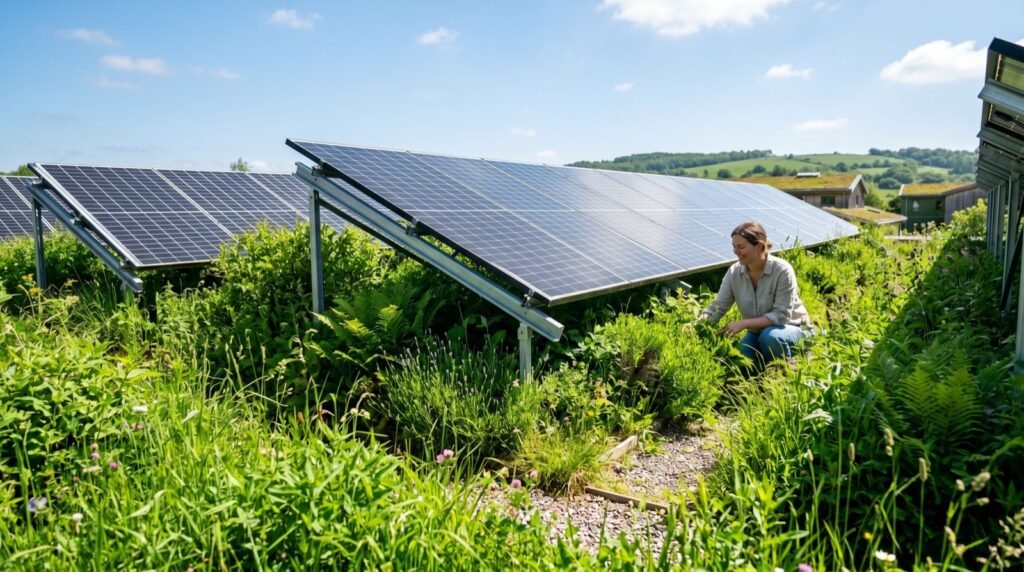
Ironically, this is backward. Solar panels need sunlight, not cold, and Pakistan has abundant irradiation. Extreme heat does slightly reduce panel efficiency, but quality panels and good ventilation manage that easily. Net generation across a Pakistani summer remains excellent.
Myth 2: You Need Batteries for Solar to Be Worth It
Batteries add backup, not core savings. Thanks to net metering, a grid-tied system without batteries already slashes your bill by exporting surplus daytime power. Batteries matter only if uninterrupted power during outages is a priority for you.
Myth 3: Solar Stops Saving After a Few Years
Panels degrade slowly, typically losing well under one percent of output per year. After 25 years, a good panel still produces the large majority of its original power. The savings do not vanish; they continue for decades after payback.
Myth 4: All Installers Are the Same
This myth causes the most regret. Component quality and workmanship vary enormously between firms. A premium panel wired sloppily will underperform a mid-range panel installed with discipline. Choosing an experienced solar company in Peshawar or your own city protects both output and safety.
How to Spot a Serious Installer
- They provide a detailed bill of materials with model numbers.
- They offer written performance and workmanship warranties.
- They show completed local installations you can inspect.
- They maintain nearby after-sales support, not just a phone line.
Myth 5: Solar Is Too Expensive to Ever Pay Off
Prices have fallen dramatically. The table below shows how today’s payback periods compare with a few years ago, driven by cheaper hardware and higher grid tariffs.
| Year | Typical 5 kW Cost (PKR) | Average Payback |
|---|---|---|
| 2021 | 1,500,000+ | 6–7 years |
| 2023 | 1,300,000 | 4–5 years |
| 2026 | 1,000,000–1,300,000 | 3–5 years |
As tariffs keep climbing, the payback math only improves for new buyers. Waiting rarely saves money; it usually means more months of paying full grid rates.
Myth 6: Maintenance Is a Constant Hassle
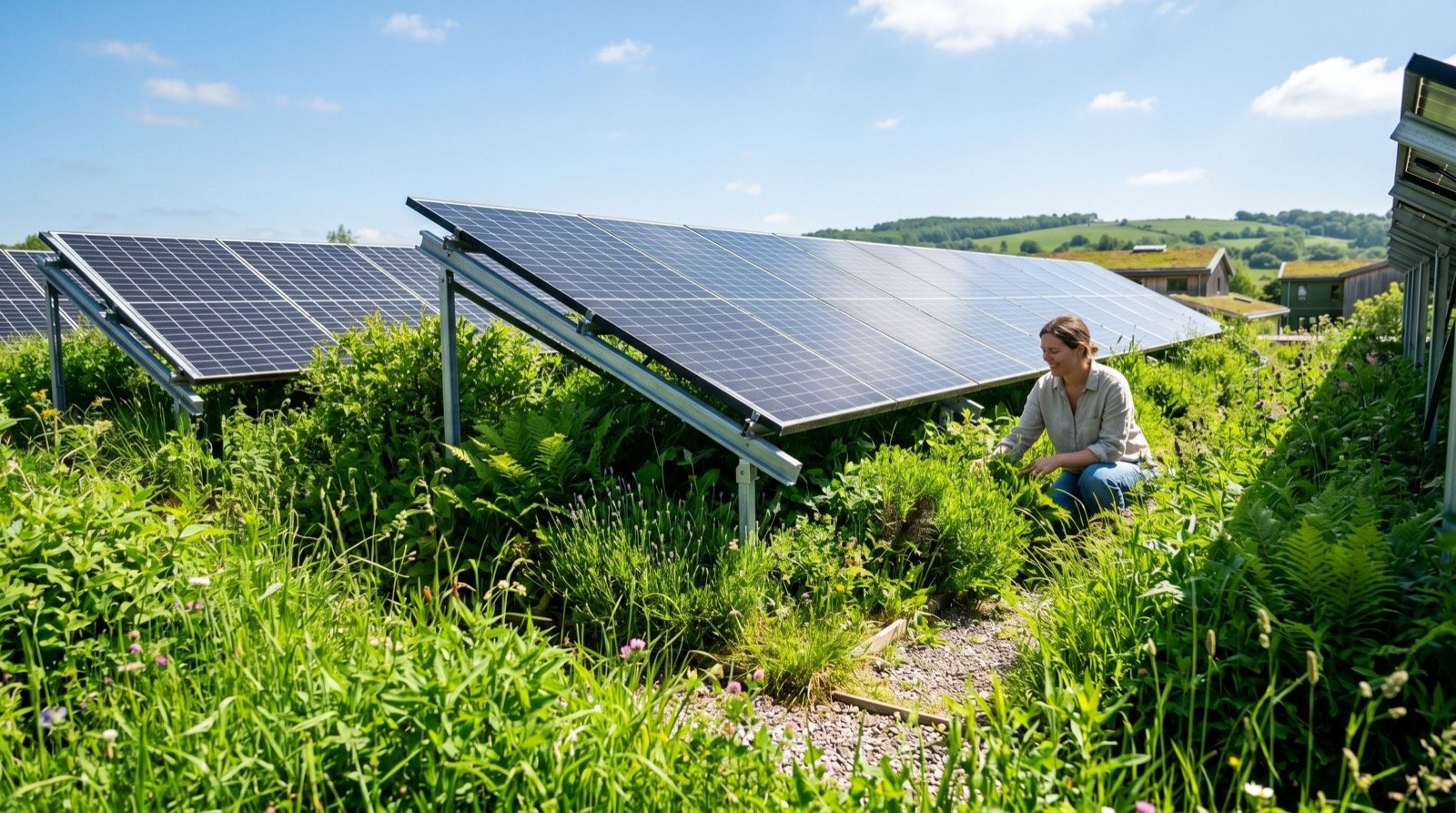
Solar systems are remarkably low-maintenance. The main task is rinsing dust off the panels every few weeks and glancing at your inverter app. There are no moving parts to service and no fuel to buy.
When you engage trusted professionals for the initial structural and mounting work, even that light upkeep becomes easier, because well-placed panels are simpler to reach and clean.
Myth 7: Bigger Is Always Better
Oversizing wastes money since export credits are usually lower than retail rates. The goal is to match generation to your consumption, not to blanket the roof. A right-sized system pays back faster than an oversized one.
When comparing providers, remember that reputation and support outrank flashy marketing. The Best solar company in pakistan earns that title through transparent quotations, quality components, and reliable service rather than the loudest advertising.
What Should You Actually Check Before Buying?
Once the myths clear away, buying solar becomes a straightforward exercise in due diligence. Instead of worrying about rumors, focus your energy on the handful of factors that genuinely determine your results.
- Component brands: Insist on named panels, inverter, and battery models in writing.
- Installer track record: Ask to inspect completed local projects.
- Warranty clarity: Confirm who honors each warranty and for how long.
- Correct sizing: Match generation to your real consumption, not the roof area.
- After-sales support: Verify a technician can reach you quickly when needed.
Working through this list turns an intimidating purchase into a confident one. It also filters out weak vendors, because only serious firms answer every point without hesitation.
The Real Cost of Delaying Your Decision
Waiting feels safe, but it quietly drains money. Every month without solar is another full grid bill paid at rising tariffs. Because payback periods now sit around three to five years, procrastination simply pushes your savings further into the future.
Consider a family spending forty thousand rupees monthly on electricity. Six months of delay hands nearly a quarter of a million rupees to the utility, money that a solar system would have started clawing back. Viewed that way, the cost of waiting often exceeds the cost of acting.
There is also a comfort dimension. Load-shedding does not pause while you deliberate, so each delayed season means more hot, dark evenings that a hybrid system would have prevented. The practical case for moving sooner rather than later keeps growing through 2026.
Frequently Asked Questions
Do solar panels stop working during power cuts?
A pure grid-tied system pauses during outages for safety. If you want power during load-shedding, choose a hybrid system with a battery, which keeps essential loads running.
How long do solar panels last in Pakistan?
Quality panels commonly perform well beyond 25 years, degrading only slightly each year. The inverter may need replacement sooner, typically after a decade or more.
Is 2026 a good time to buy solar?
Yes. Hardware prices are low, grid tariffs are high, and payback periods have shrunk to roughly three to five years. Delaying mostly means paying more to the grid in the meantime.
Does dust really hurt solar output?
Yes, dust is the biggest silent performance thief in Pakistan. A quick rinse every few weeks restores lost output and is the single most valuable maintenance habit.
Conclusion
Most fears about solar energy in Pakistan dissolve under a little scrutiny. The technology is proven, the savings are durable, and 2026 pricing makes the case stronger than ever. Ignore the myths, choose a reputable installer, size your system sensibly, and let the sun start cutting your bills.